Electric Vehicle Software Development Company
Successfully delivered to
9+
Years of building data infrastructure and custom apps for startups and enterprises
5.0
Average rating on Clutch, based on verified client reviews
50+
Product builds across web, mobile, backend, and custom software systems
Overcode Is Your Best Choice For EV Software Development
Electric vehicles are now shaped by software choices made early – how charging behaves, how battery data is processed, how systems react in real conditions. Here, electric vehicle software development by Overcode affects how the product actually works in use.
Overcode works on the software layer that links vehicles, charging infrastructure, and user-facing systems. We design logic for updates, vehicle data, and edge cases without brittle dependencies.
Our approach to EV software development services focuses on software that supports OTA updates, evolving battery logic, new charging standards, and changing vehicle data without full rewrites.
Businesses That Benefit from Electric Vehicle Software
Overcode works with teams whose EV products depend on software behaving correctly under real load, real usage, and changing infrastructure.
Fleet Management Companies
Overcode supports fleets with EV software development that turns vehicle telemetry, charging events, and usage data into systems operators can actually rely on day to day.
EV Charging Infrastructure Providers
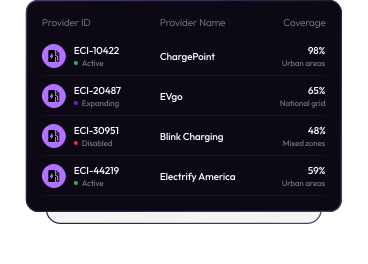
For charging networks, Overcode builds EV software solutions around load control, station status, billing flows, and protocol changes as networks expand.
Automotive Manufacturers and Maintenance Providers
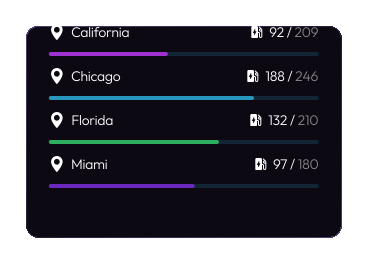
Vehicle software to read fault codes, schedule service intervals, and push firmware updates during recalls or routine servicing.
Discuss Your EV Software Scope
Get an Electric Vehicle Project Estimate
Share a few details about your electric vehicle product and we’ll help you understand the likely scope, timeline, technical approach, and next steps.
Get clarity
on scope, timeline, and integrations.
Electric Vehicle Software Development Services
Electric vehicle software development services at Overcode focus on the operational layer, including charging logic, vehicle data, and control systems built to work in real conditions, so they stay stable as fleets, hardware, and usage evolve.

EV Charging Management
We design charging logic that handles availability, load limits, schedules, and failures, so charging behaves predictably across locations, power constraints, and daily usage patterns.

Charging Station Map & Navigation
Maps are built around live station data, connector types, and route context, helping drivers reach usable chargers without guessing, retries, or last-minute detours.

Battery & Vehicle Status Monitoring
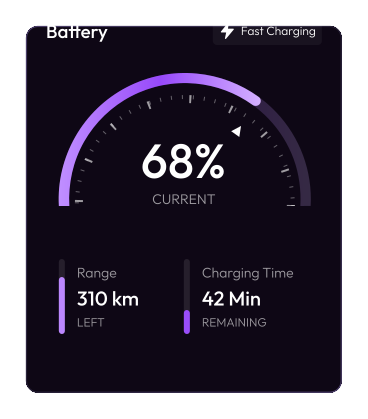
Vehicle status systems track battery health, range signals, and alerts in ways operators and drivers can actually interpret and act on.

Sustainability & Carbon Analytics
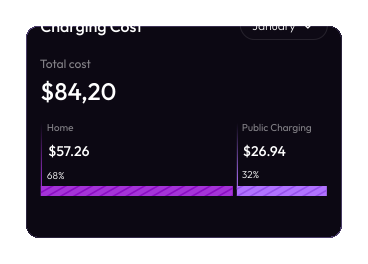
Carbon and energy metrics are tied to real vehicle activity, charging sources, and routes, giving teams numbers they can explain, report, and improve.

Charger Management System (CMS)
As an EV software development company, we build CMS tools that control stations, monitor uptime, handle access rules, and surface issues before users notice them.

EV Fleet Management
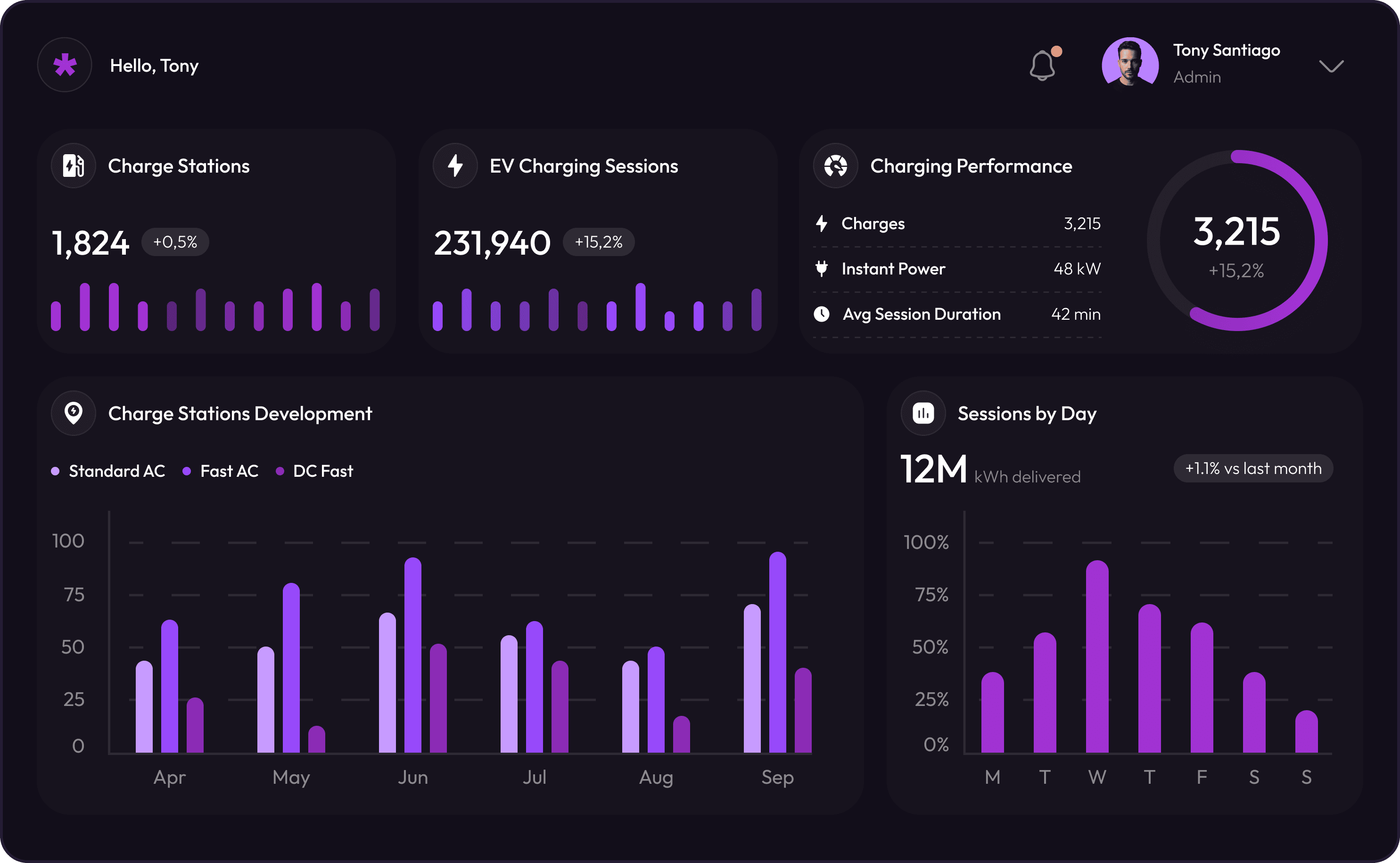
A core part of EV software development services, fleet software brings together vehicles, charging behavior, usage history, and alerts into one view, so fleet operators can plan routes, charging, and maintenance without jumping between systems.
Our Case Studies
Stories of our clients, our engineering decisions, and the results born from real collaboration.
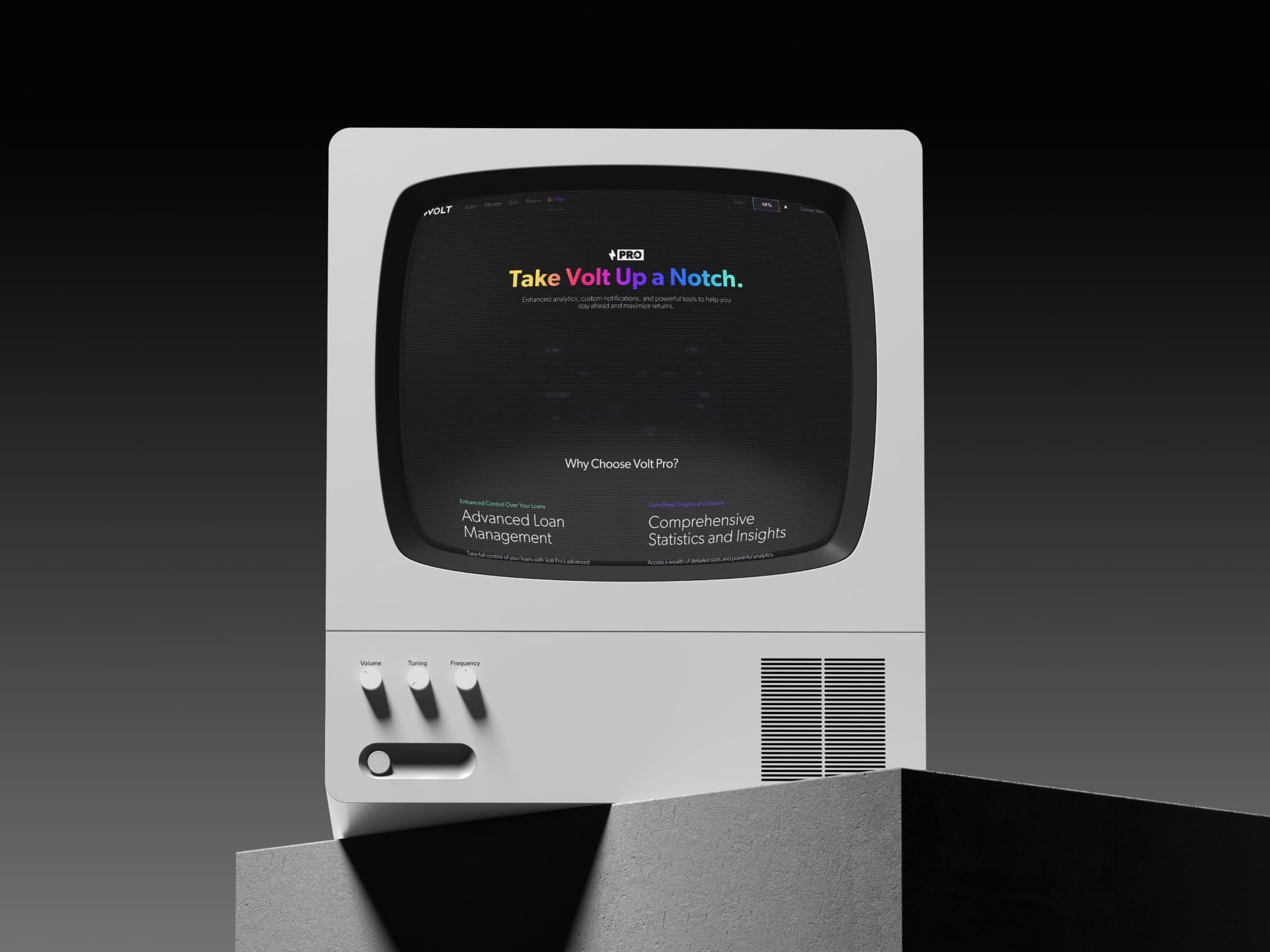
Volt - Tokens Lending and Borrowing platform
Web development | React.js, Next.js, Wagmi

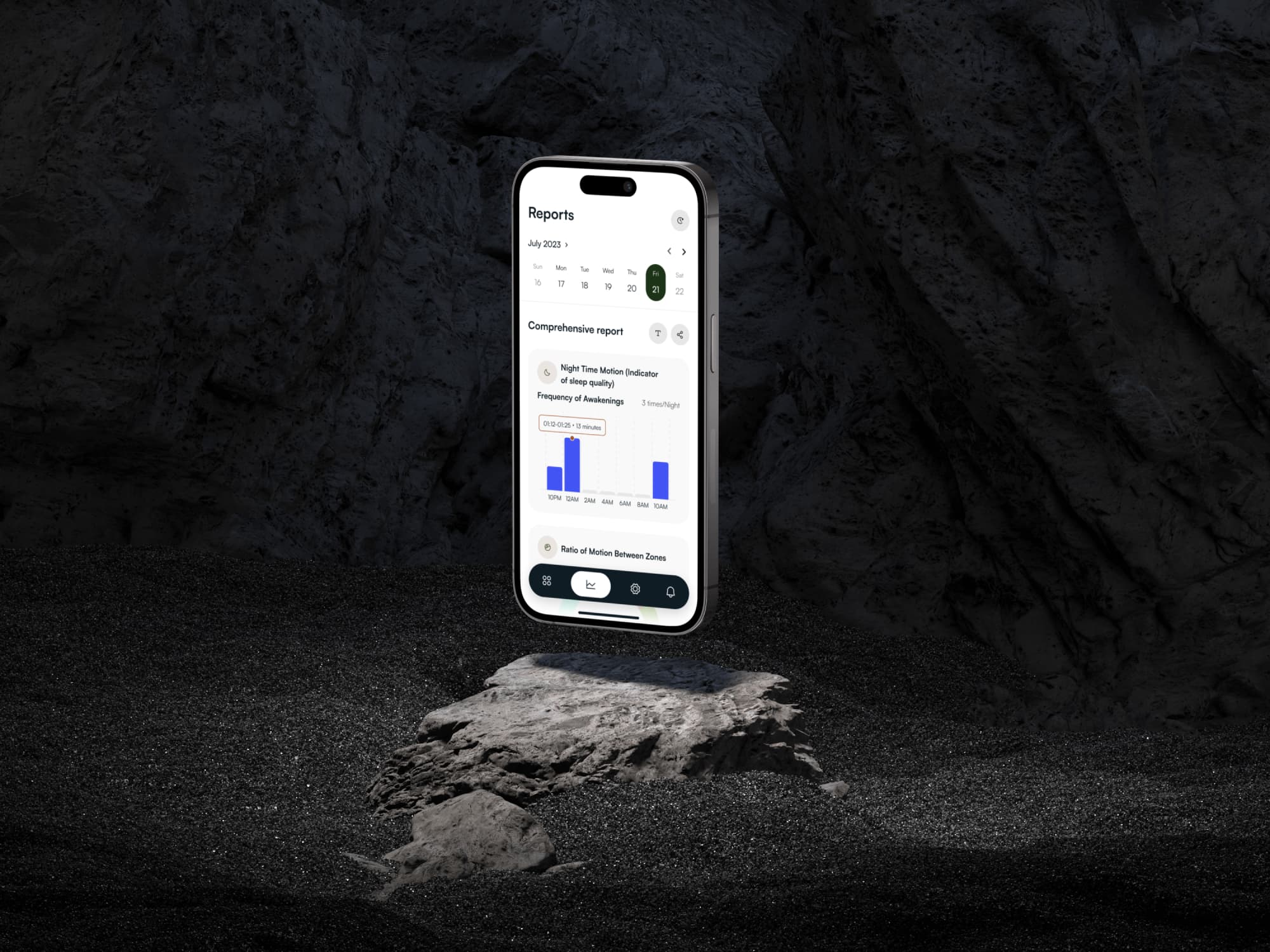
Threshold - Generational Care app
Mobile App design & development | React Native, Node.js
Tech Stack We Use
Tools and frameworks selected to support EV software with real hardware constraints, live data, and evolving infrastructure.
Front-end
Frameworks and libraries we use to build performant and responsive user interfaces.


Back-end
Services and tools that power the core logic, APIs, and third-party integrations behind the scenes.


Infrastructure
Tools for deploying and monitoring apps in production — with CI/CD support and cloud-native scalability.


Database
Storage technologies we trust to manage structured and unstructured data at any scale.


EV Software Development Process
Whether you need full-cycle software development or dedicated experts — we design, develop, and build integrations for web and mobile apps.

Acquaintance
We’re getting to know each other, learning your requirements and expectations
Work Planning
We make reliable time and cost estimates for you and set up the best workflow for the project needs

Discovery phase
We study the problem that the app will solve and come up with solutions for software implementation
UI/UX Design
We design an actual product based on the approved User Flows and Wireframes
Development
We assign and manage dedicated development team on our end that works on your app or website

Support
We provide ongoing support and develop new features when needed after the product launch
Introduction
We’re getting to know each other, learning your requirements and expectations

Cooperation start
We agree on the project start date and sign the contract

Providing CVs
We present you the most relevant specialists with their CVs, and you choose who you want to talk with

Interviews
We set up video calls between you and all the potentially matching candidates
Approval
After the interviews, you share feedback with us and approve the specialists who start the onboarding shortly

Scaling
Anytime you need to speed up the process, we’re ready to expand your team with new specialists
AWARDS & RECOGNITION





What our clients say






One module or a full EV platform?
Work with engineers who ship BMS logic, charging flows, fleet backends, and vehicle data pipelines.



FREQUENTLY ASKED QUESTIONS
Common questions we hear from teams building electric vehicle software.
How much does EV software cost?
Cost depends on the scope. A focused module like charging logic or vehicle telemetry starts lower than a full platform with fleet tools, analytics, and integrations. Most projects fall into a phased budget with clear checkpoints, not a single fixed number.
Is your team available for long-term EV software development?
Yes. Many teams stay with us after launch. We handle feature growth, protocol updates, scaling, and support as the product moves from pilot fleets to wider rollout.
What is the typical timeline for developing an EV digital solution?
Simple systems take around three months. Larger platforms with hardware integration, data pipelines, and user roles usually take six to nine months, depending on testing and regulatory steps.
What are the key features of an EV application?
Most EV products include vehicle data monitoring, charging control, user access roles, alerts, reporting, and third-party integrations. Fleet products often add routing, usage analytics, and remote diagnostics.
How do you ensure data security for EV management software projects?
We isolate vehicle data, encrypt traffic, limit access by role, and log every system action. As an electric vehicle software development company, we design security into the architecture, not as a later patch.
HAVE A GREAT IDEA? LET’S TALK ABOUT IT
Related Articles
Our take on what’s trending and what matters in startups and technology.

How to Come Up With an App Idea: Practical Strategies That Work
Learn how to come up with an app idea using practical strategies that help you identify real problems, build market-ready solutions, and attract investors.
How much does it cost to build an app today
From MVPs to full-scale apps, discover what influences development costs and how to plan your budget wisely with our comprehensive guide.

How to Outsource Software Development: A Proven Guide For Your Business
Thinking about outsourcing software development? Learn how to find the right partner, reduce risks, and avoid costly mistakes with this step-by-step guide.